Consumer non-durables — food, beverages, cosmetics, household products, and the other goods people buy and use up rather than keep for years — is one of the largest employment sectors in the country precisely because it never really goes away. People need to eat and clean their homes whether the economy is booming or shrinking, which is part of why this industry has a reputation for being one of the more recession-resistant places to build a career.
But “stable” and “well-paid” aren’t the same thing, and the gap between the headline salary numbers companies report and what employees actually say about the paycheck can be significant. This guide breaks down real salary figures by role and experience level, and pairs them with what people who actually work these jobs say about whether the pay matches the work.
The Overall Salary Picture
According to ZipRecruiter’s 2025 data, the average salary across consumer packaged goods (CPG) roles sits at roughly $91,189 per year, or about $43.84 an hour — but that average is doing a lot of work to smooth over an enormous range. The Bureau of Labor Statistics puts the average hourly wage specifically in non-durable goods manufacturing at $26.48, or roughly $54,000 a year — a very different number from the CPG-wide average, because it reflects production-floor wages rather than the corporate marketing and R&D salaries that pull the broader average upward.
That gap between $54,000 and $91,000 is really the story of this entire industry. Consumer non-durables isn’t one job market — it’s several very different ones stacked under the same label, from line workers making well under $40,000 to senior brand directors clearing $200,000. Where you land depends heavily on which side of that divide your role sits on.
Production, Manufacturing, and Entry-Level Roles
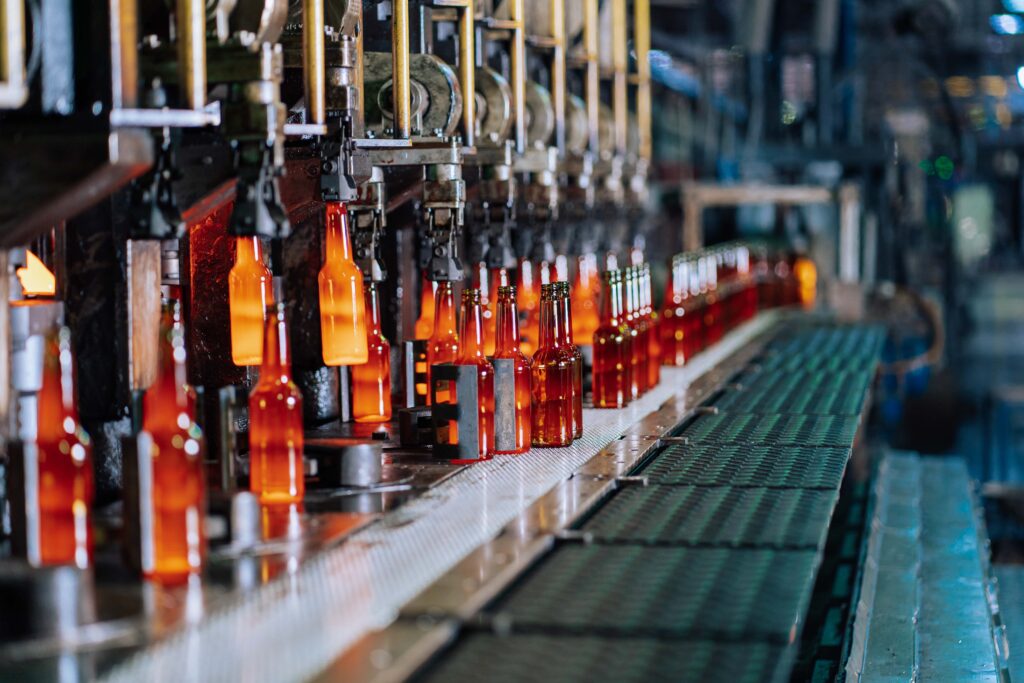
This is where the bulk of consumer non-durables employment actually sits, and it’s also where the gap between “stable industry” marketing and lived paycheck reality shows up most clearly.
Production Associate / Factory Worker: roughly $30,000–$38,000 a year to start. The median pay for production workers in food manufacturing specifically lands around $31,385, according to BLS-sourced industry data.
Stock Associate / Wholesale Shipping Clerk: roughly $27,000–$35,000 a year, based on Indeed’s aggregated salary data for the role.
What the official numbers don’t capture as well is the texture of the work itself. On Indeed’s own employee review platform, one PepsiCo production worker described their experience plainly: “Pay is fair for what is expected of you. Some days it’s a piece of cake, others you’re working around the clock. Overall good experience just wish the pay was more competitive.” Another reviewer was more pointed about the trade-off between pay and demands: “Fun job decent pay but zero support from management, only concerned about numbers. Not enough training and crazy hours, never know when you get home.”
Realistic growth: After about five years, supervisory production roles or lead support positions typically move into the $40,000–$50,000 range. Major employers in this segment include Mondelez, Nestlé, PepsiCo, and regional grocery and food companies. If you’re weighing an offer in this segment, it’s worth working through our guide on questions to ask an employer before accepting — specifically the ones about real scheduled hours versus actual hours worked.
Quality Assurance and Lab Roles
Quality Assurance Manager: around $79,000 a year, according to Indeed’s salary data.
Food Scientist / Technologist: around $90,000 a year on average, also per Indeed.
This is the point in the industry where the salary curve starts climbing more steeply, largely because these roles require a specific technical or scientific background that limits the pool of qualified applicants. With five to seven years of experience, many people in QA or food science roles move into managerial or specialist R&D positions earning up to $120,000.
Major employers here include Unilever, Johnson & Johnson, and Kellogg’s — companies that run extensive internal labs and quality programs precisely because product consistency at scale is where a lot of their brand value actually lives. For a look at how these companies compare to their durable-goods counterparts, see our guide on what companies are in the consumer durables field.
Sales and Marketing
Sales Representative (FMCG): roughly $69,000 a year on average, with top earners — particularly those working on commission structures — exceeding $100,000, according to both Indeed and Zippia salary data.
Brand Manager / Marketing Manager: $90,000–$150,000 a year, with significant variation by company and seniority.
The marketing and brand side of this industry has an outsized reputation, partly because of how aggressively companies like P&G, Coca-Cola, and PepsiCo recruit MBA graduates into structured brand management tracks. On Quora, someone who spent three years as a Brand Manager at Unilever described the qualities the company actually looks for: strong leadership skills, being a genuine team player, and the ability to operate independently with minimal oversight — a description that lines up with how demanding and self-directed these roles tend to be once you’re actually in the seat.
That demand cuts both ways. A separate Quora answer comparing the major FMCG employers described P&G’s culture bluntly: “play hard and work harder” — adding that the company invests heavily in developing people but expects a serious level of intensity in return. The pattern shows up again in a more detailed Quora breakdown of working at PepsiCo, where the answer noted the experience is “rewarding for goal-driven professionals who thrive in fast-paced, matrixed organizations” but can be genuinely difficult “for those seeking low-ambiguity or slow-paced workplaces” — with sales and operations roles in particular involving long, irregular hours and travel that intensify around major launches and quarterly deadlines.
Experience milestones: Mid-level brand manager roles typically land around $120,000 at the 3–5 year mark. By 7–10 years, senior directors or global brand leads can reach $150,000 or more.
R&D, Product Development, and Technical Roles
R&D Scientist / Product Manager: $72,000–$160,000 a year depending on seniority.
Chemical Engineer (non-durables sector): around $112,000 a year.
Environmental Scientist / Specialty Roles: roughly $79,000–$92,000 a year.
This is the most technically credentialed corner of the industry, and the pay reflects it. Early-career lab roles typically start in the $70,000–$80,000 range, but with eight to ten years of experience, lead scientists and product development heads can reach $130,000–$160,000 or higher. The major employers recruiting heavily for these roles — Johnson & Johnson, L’Oréal, and Kraft Heinz — all run substantial in-house innovation pipelines, since new product development is one of the primary ways CPG companies compete for shelf space and market share.
Logistics and Supply Chain
Logistics Manager: around $67,000 a year.
Supply Chain Manager: $100,000–$110,000 a year.
Supply chain has become an increasingly visible and well-compensated function inside consumer non-durables companies, particularly after the disruptions of the early 2020s made resilient logistics a board-level priority rather than a back-office function. With three to five years of experience, movement into senior operations or manufacturing planning roles can push compensation past $120,000.
The day-to-day reality, based on employee reviews at companies like PepsiCo and Kraft Heinz, tends to mirror the production-floor pattern more than the corporate-marketing one — solid base pay, but workload that scales unpredictably with demand cycles, particularly around major retail seasons and promotional pushes.
Corporate and Financial Roles
Pharmaceutical Financial Analyst (non-durables adjacent): roughly $99,890 a year.
Marketing / Sales Directors: $120,000–$150,000 a year.
Creative Director (FMCG): around $82,500 a year.
At the senior end of the corporate ladder — ten-plus years of leadership experience — total compensation in this industry can reach $200,000 or more, particularly at the largest multinational players: Procter & Gamble, Unilever, and PepsiCo among them. These figures typically include performance bonuses and equity components that don’t show up in base salary alone, which is part of why glancing only at “average salary” data for senior roles tends to understate real total compensation.
Quick Reference: Salary by Experience Level
| Role Category | Entry-Level (0–2 yrs) | Mid-Level (3–7 yrs) | Senior (8–15 yrs) |
|---|---|---|---|
| Production & Support | $30k–$38k | $45k–$60k | $60k–$80k |
| Quality / QA | $60k–$80k | $80k–$100k | $100k–$120k |
| Sales & Marketing | $60k–$80k | $80k–$120k | $120k–$160k+ |
| R&D / Product Development | $70k–$90k | $90k–$130k | $130k–$160k+ |
| Logistics / Supply Chain | $50k–$70k | $70k–$100k | $100k–$130k |
| Corporate / Financial Roles | $80k–$100k | $100k–$130k | $130k–$200k+ |
Figures compiled from BLS, Indeed, Zippia, and Glassdoor salary data as of 2026.
What Actually Moves the Number
A few factors consistently explain why two people with similar job titles end up with very different paychecks in this industry:
Company size. Multinational players like Nestlé, PepsiCo, and Unilever consistently pay more than smaller regional brands for comparable roles — partly because of scale, and partly because they’re competing nationally for the same pool of MBA and technical graduates.
Location. Roles based in major metro hubs — New York, Chicago, Los Angeles — typically pay more in raw dollar terms, though that premium gets eaten into quickly by cost of living once you actually run the math.
Education and credentials. R&D and corporate strategy roles that require advanced degrees command meaningfully higher pay than equivalent-seniority roles that don’t, which is part of why the technical and corporate tracks in this industry diverge so sharply from the production-floor track over time.
Experience. This sounds obvious, but the multiplier effect is real — professionals with ten-plus years of experience in this sector often earn 20–30% above the average for their role, particularly in R&D, leadership, and specialized technical tracks.
Is Consumer Non-Durables a Good Career Path?

Based on both the data and the real accounts above, the honest answer is: it depends heavily on which track inside the industry you’re talking about.
If you’re looking at production, manufacturing, or entry-level logistics, the appeal is stability rather than upside — the pay is modest but the demand for these roles rarely disappears, recession or not. If you’re aiming for brand management, R&D, or senior corporate tracks at major players like P&G, Unilever, or PepsiCo, the compensation ceiling is genuinely strong, but multiple firsthand accounts describe a demanding, fast-paced, metrics-driven culture that rewards ambition and can be exhausting for anyone looking for a slower-paced role.
PepsiCo’s own Glassdoor profile reflects that split directly — a 3.8 out of 5 overall rating with 73% of employees saying they’d recommend working there to a friend, which is a solidly positive but not universally glowing signal, consistent with an industry where the experience genuinely varies a great deal by function and location.
Before accepting any offer in this sector, it’s worth reading recent, role-specific reviews rather than relying on a single average salary number. Search any consumer non-durables employer on WiseWorq to see what people in your specific function and level are actually saying about pay, workload, and whether the job matches what’s advertised.
The Bottom Line
Consumer non-durables jobs pay anywhere from around $30,000 for entry-level manufacturing roles to well over $150,000 for senior R&D, marketing, and corporate leadership positions — and the honest accounts from people actually working these jobs suggest the pay is fair more often than it’s generous, with the real variable being how predictable your hours and workload turn out to be rather than the headline salary figure alone.
If you’re weighing a move into this industry, look past the average salary number for your target role and look specifically at reviews from people in that function at that company. The spread between “decent pay, reasonable hours” and “decent pay, unpredictable 12-hour shifts” is enormous — and it’s almost never visible in a salary table alone.
Related WiseWorq Guides
- What Companies Are in the Consumer Durables Field? (2026 Guide) — the durable goods counterpart to this industry
- Best Paying Jobs in Consumer Services (2026) — salary data across the broader consumer-facing job market
- Signs of a Toxic Workplace — what to watch for once you’re past the offer stage
- 50 Unique Interview Questions to Ask an Employer (2026) — how to ask about real hours and workload before accepting
- How to Accept a Job Offer (Step-by-Step Guide for 2026) — once you’ve decided the pay and the role are the right fit