Public utilities is one of the most consistently underestimated career sectors in the US. Ask most people where the safe, stable, well-paying jobs are and they’ll say tech or finance. But electrician lineworkers, power plant operators, and utility engineers often out-earn their counterparts in “prestigious” industries — with better job security, stronger benefits, and in many cases a pension that private sector workers gave up decades ago.
If you’re a job-hopper rethinking stability, a fresh graduate deciding between industry tracks, or someone doing serious due diligence before making a career move into utilities, this guide covers what public utilities jobs actually pay, what the benefits package really looks like, what employees genuinely say about working there, and what the honest trade-offs are before you sign.
What the Numbers Actually Look Like: Role by Role
According to BLS May 2026 occupational wage data and current Glassdoor salary reporting, here are the real ranges for the most common public utilities roles:
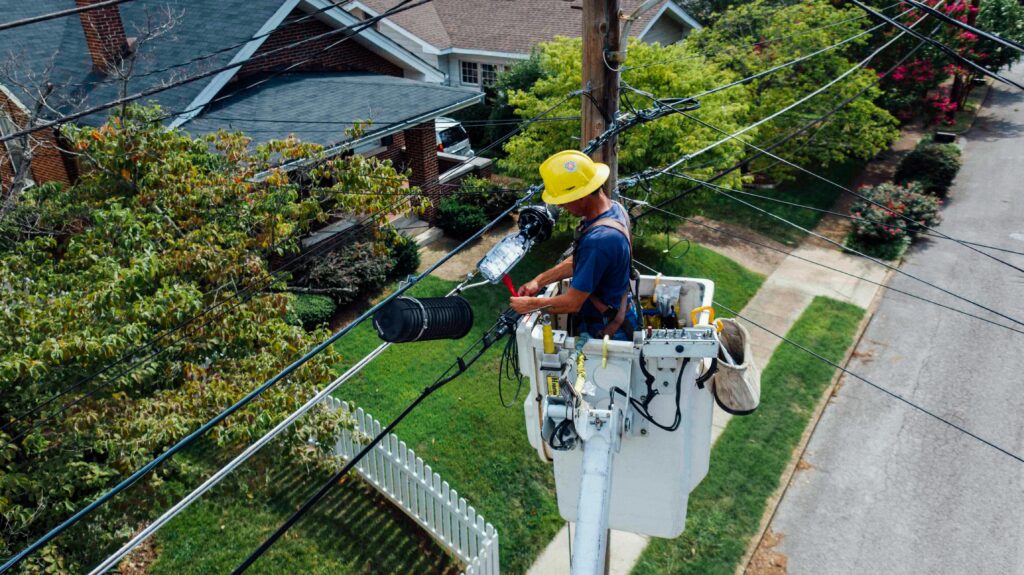
Electrical Lineworker / Power Line Installer The median salary is $85,000–$95,000, with experienced journeyman lineworkers often clearing $100,000+ when overtime is included. Overtime is not incidental in this role — after storms, outages, and infrastructure failures, extended shifts are expected and compensated. This is one of the highest-paying blue-collar roles in the country accessible through apprenticeship rather than a four-year degree.
Power Plant Operator Glassdoor’s June 2026 data puts the average at $85,549/year, with the typical range between $67,661 and $109,391 annually. Top earners — particularly nuclear plant operators and senior control room operators — report up to $135,605. The top paying companies for power plant operators according to Glassdoor are Calpine, Entergy, and NAES, all paying median packages above $100,000.
Electrical Engineer (utilities sector) $85,000–$120,000 base salary. Engineering managers at major utilities can earn $163,000+ according to 4 Corner Resources’ 2025 best-paying utilities jobs analysis.
Water/Wastewater Treatment Operator $50,000–$75,000 is the typical range, with supervisory and licensed operators at the higher end. One of the more accessible entry points into utilities — many programs require only an associate degree or state operator certification.
Gas Distribution Technician $65,000–$90,000, with considerable variation by geography and union status.
Energy Analyst / Planner $70,000–$100,000, with senior analysts and directors earning above $120,000 at major utilities.
SCADA / Control Systems Technician $75,000–$105,000 — one of the roles growing fastest as utilities modernize grid infrastructure.
Information Security Analyst (utilities) $101,147 average, one of the fastest-growing positions as cyberattacks on critical infrastructure have made grid security a federal priority.
Customer Service / Administrative Roles $40,000–$60,000. The entry point most accessible without technical credentials, but also the lowest-compensated tier in the sector.
The Benefits Package: Why Utilities Beat Most Industries at Total Compensation
The salary numbers above are only part of the story. What makes utilities genuinely competitive against higher-headline-number private sector jobs is the total package.
Pensions. Many unionized utilities still offer defined-benefit pensions — a guaranteed monthly income in retirement based on years of service and salary. This is increasingly rare in the private sector. An employee who works 30 years at a major utility and retires with a pension has something that no 401(k) balance alone replicates: certainty. That value is real and significant, even if it doesn’t show up in a salary comparison.
Overtime and shift differentials. Field roles — lineworkers, operators, technicians — are compensated for overtime, night shifts, and hazard conditions. Electrical lineworkers and power plant operators frequently earn $10,000–$15,000 extra annually through overtime alone, which brings the true annual take-home well above the base salary figure.
Health insurance. Most utilities offer comprehensive medical, dental, and vision coverage with lower out-of-pocket costs than typical private sector plans. For family coverage specifically, the utility sector often compares favorably against tech and finance employers where the same headline plan comes with higher deductibles.
Job security. People will always need electricity, water, and gas. Utilities are rate-regulated monopolies — they don’t face the same competitive disruption risk as private companies. That translates into a very different psychological relationship with your job than you get at a startup, a bank, or a retailer that could restructure next quarter.
Tuition reimbursement. Major utilities like Duke Energy, Southern Company, and Xcel Energy all offer tuition reimbursement programs for employees pursuing relevant degrees and certifications. For someone entering utilities without a full engineering degree, this is a real path to meaningful credential advancement while earning a full salary.
PTO and predictable scheduling. Unlike retail, food service, or financial services where hours can be unpredictable, many utility roles — particularly office and corporate functions — operate on relatively stable schedules. Field roles involve rotating shifts, which is a trade-off, but those shifts are typically well-defined and compensated for the inconvenience.
What Employees Actually Say: Glassdoor and Review Data
Duke Energy — 3.8/5 Glassdoor, 71% would recommend
Duke Energy employees on Glassdoor consistently describe the same pattern: strong benefits and job stability as clear positives, slow career progression and bureaucracy as the consistent frustrations. In their own words across multiple reviews: “Great benefits and had some overtime,” “good pay and the people at the site were very friendly,” and “Duke Energy has a good work-life balance and is fairly stable.” The cons are equally consistent: “Reliance on engineering degrees for everything, lack of merit-based hiring, slow upward mobility.”
Average salary at Duke Energy per PayScale runs $97,018 in 2026, ranging from $49,805 for customer service to $272,070 for director-level roles. The compensation and benefits rating of 3.8/5 is above average for the utilities sector.
The honest note: Duke’s CEO made headlines in 2026 for overseeing one of the largest utility capital investment plans in the industry ($103 billion over five years) — which is good for long-term job stability but also meant significant rate hikes for customers that translated into internal pressure on teams managing customer relations.
NextEra Energy — 3.5/5 Glassdoor
NextEra’s salary range on Glassdoor runs from $45,057 for customer service representatives to $226,160 for executive directors. The compensation and benefits rating is 3.7/5 — solid, but employees consistently note that the workload in technical and field roles is heavier than the salary alone suggests. NextEra is the largest renewable energy producer in the world, which attracts employees motivated by the energy transition — but reviews also describe recurring staffing shortages and the forced overtime that follows.
Southern Company — Generally strong regional reputation
Southern Company’s CEO Chris Womack was the second-highest paid utility executive in the US in 2025 at $28.2 million — a figure that drew significant public scrutiny, particularly alongside data showing subsidiary Georgia Power disconnected customers 311,513 times in the same year. For employees specifically, this is worth knowing because it reflects a sector where executive compensation has been decoupled from operational performance metrics in ways that occasionally create internal cultural friction between corporate priorities and frontline realities.
PG&E / California Utilities — Higher pay, higher stakes
California utilities consistently pay the highest base salaries in the country, driven by cost of living and strong union contracts. Average utility salaries in California reach $97,769/year, with San Francisco roles hitting $97,000–$105,000. PG&E specifically has faced repeated public scrutiny over safety failures and bankruptcy — but it remains a major employer with strong union-negotiated compensation for frontline workers.
The Honest Trade-Offs Nobody Puts in the Job Posting
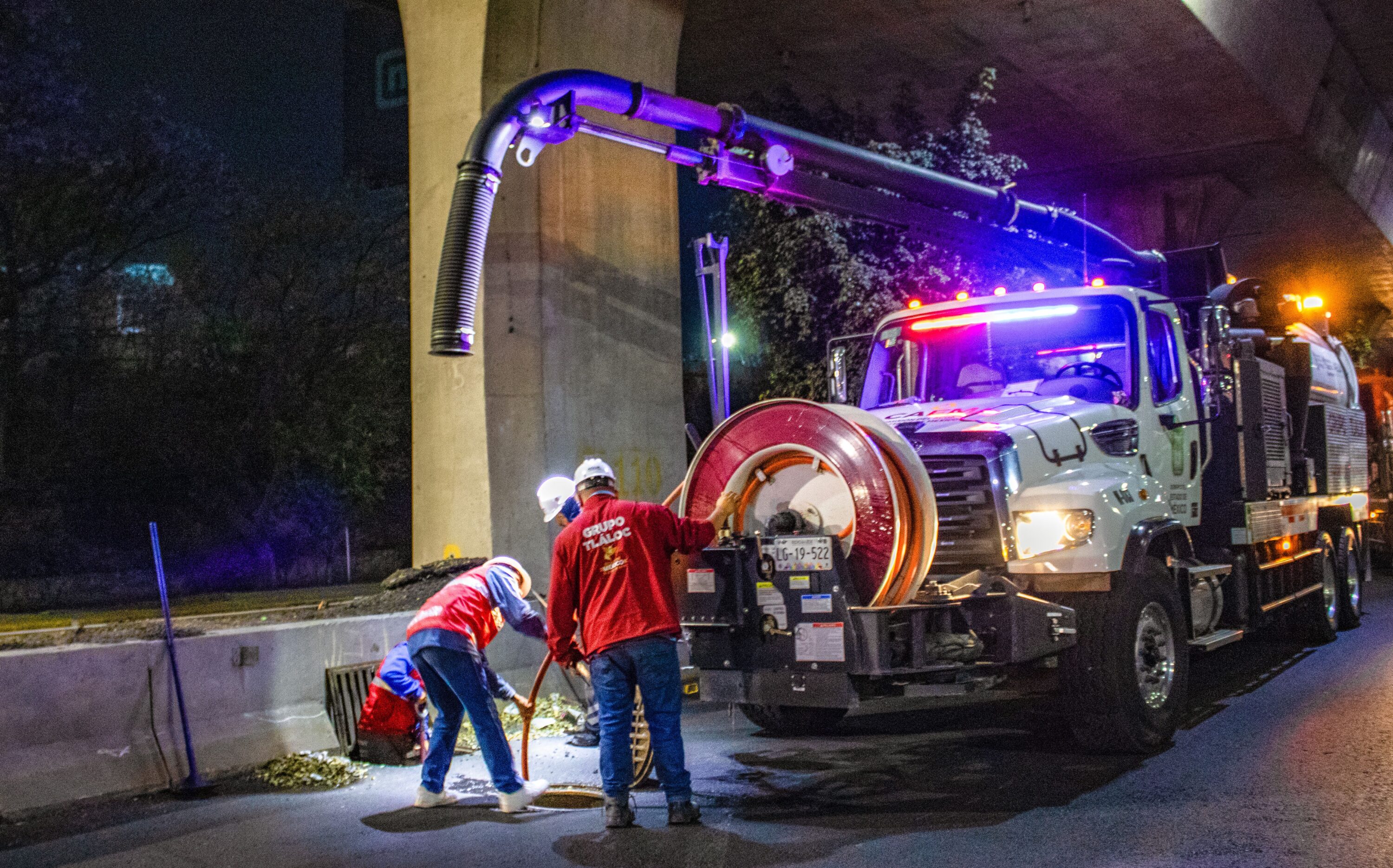
The physical demands are real. Lineworkers climb poles in all weather. Plant operators work 12-hour rotating shifts including nights, weekends, and holidays. Wastewater operators work with systems that are, by definition, unpleasant. These aren’t dealbreakers for the right person, but they’re not what “stable, well-paying career” typically conjures in people’s minds and they should factor into your decision.
Advancement is slow and credential-dependent. Multiple Duke Energy employees specifically flagged that progression favors engineering degree holders, and that merit-based advancement can be harder to achieve than at more performance-driven private sector employers. If you’re someone who tends to outperform peers and expects that to translate quickly into promotions, the utility environment — with its union seniority structures and credential-based promotion criteria — may frustrate you.
CEO pay has been growing while worker wages trail inflation. The Energy and Policy Institute’s 2026 analysis found that several utility CEOs received pay raises in 2025 even when they missed customer satisfaction performance thresholds. The gap between executive compensation and frontline wages at major utilities has widened measurably. This isn’t unique to utilities, but it’s worth knowing that the regulatory monopoly model that protects your job security also insulates executive pay from the performance accountability that might otherwise constrain it.
The sector is changing faster than the culture. Renewable energy integration, smart grid systems, electrification, and cybersecurity are transforming what utility work actually involves — but the organizational cultures of many utilities were built around slower-moving technology cycles. Employees who need rapid innovation and technological dynamism often find the pace of change inside utilities frustrating even when the external sector is moving quickly.
Who Utilities Is Actually Right For
The public utilities career path tends to work best for people who value security, predictability, and total compensation over headline salary or rapid career advancement. The pension, the overtime premium, the job stability, and the benefits package add up to a genuinely compelling total package for someone who’s made peace with slower advancement and a more structured organizational environment.
It’s harder to love if you’re someone who tends to outperform peers and expects quick recognition for it, needs a fast-moving or innovative day-to-day work environment, or values location flexibility over stability — many utility roles are tied to specific infrastructure and geographic markets.
For job-hoppers specifically: the utility career is probably not your match unless you’re making the hop specifically toward stability. The organizational culture rewards longevity and credential accumulation over agility and fast moves between roles.
For fresh graduates: utilities are worth serious consideration if you’re in engineering, environmental science, or data analytics. The entry points are real, the training investment is genuine, and the long-term trajectory is more financially sound than many flashier alternatives when you factor in the full benefits package.
Before committing to any specific utility employer, research that company specifically at WiseWorq — the difference between a well-run regional utility and a struggling major one shows up clearly in employee reviews, and it matters more in this sector than in most, because you’re likely to be there for a while.
Quick Salary Reference
| Role | Typical Range | Notes |
|---|---|---|
| Customer Service / Admin | $40,000–$60,000 | Entry-level access point |
| Water/Wastewater Operator | $50,000–$75,000 | State certification required |
| Gas Distribution Technician | $65,000–$90,000 | Union rates in upper range |
| Electrical Lineworker | $85,000–$100,000+ | Overtime adds $10K–$15K |
| Power Plant Operator | $68,000–$109,000 | Nuclear operators earn more |
| Energy Analyst | $70,000–$100,000 | Grows with seniority |
| SCADA / Control Systems Tech | $75,000–$105,000 | Fast-growing demand |
| Electrical / Mechanical Engineer | $85,000–$120,000 | Core technical track |
| Information Security Analyst | $90,000–$120,000 | Fastest growth area |
| Engineering Manager | $130,000–$163,000+ | Requires engineering degree |
Figures sourced from BLS May 2026 occupational wage data, Glassdoor June 2026 salary reports, and industry analysis.
Related WiseWorq Guides
- What Do Energy Jobs Pay? (2026 Guide) — how utilities salaries compare to oil, gas, and renewables
- Is Oil & Gas Production a Good Career Path? — another major industrial energy career analyzed honestly
- Worst Homeowners Insurance Companies to Work For in Texas (2026) — another regulated industry where employer quality varies significantly
- Signs of a Toxic Workplace — what large bureaucratic employers look like when culture goes wrong
- 50 Unique Interview Questions to Ask an Employer (2026) — including questions about overtime expectations and advancement criteria before you accept any utility offer