The honest answer to “how many jobs are available in public utilities” depends entirely on which definition of “utilities” you’re using — and most articles on this keyword pick whichever number makes their headline look biggest without explaining that difference. Here’s the breakdown.
IBISWorld’s 2026 industry analysis puts total US utilities employment at 972,973 workers as of 2026, covering the full regulated utilities sector across electric power, natural gas, water, and sewage. The Bureau of Labor Statistics’ narrower NAICS 22 classification — which excludes some contractor and ancillary roles — counts approximately 530,000 workers in the core sector. When you expand to include the full energy and utilities ecosystem (renewable energy construction, pipeline operations, independent power producers), the broader estimate reaches approximately 1.4 million workers.
For job seekers, the most practical number is somewhere in the middle — roughly 680,000–973,000 roles depending on how broadly you draw the sector boundary. What matters more than the exact figure is where those jobs are, what they require, and which segments are actually growing versus declining.
Jobs by Sector: Where the Work Actually Sits
Electric Power Generation, Transmission, and Distribution
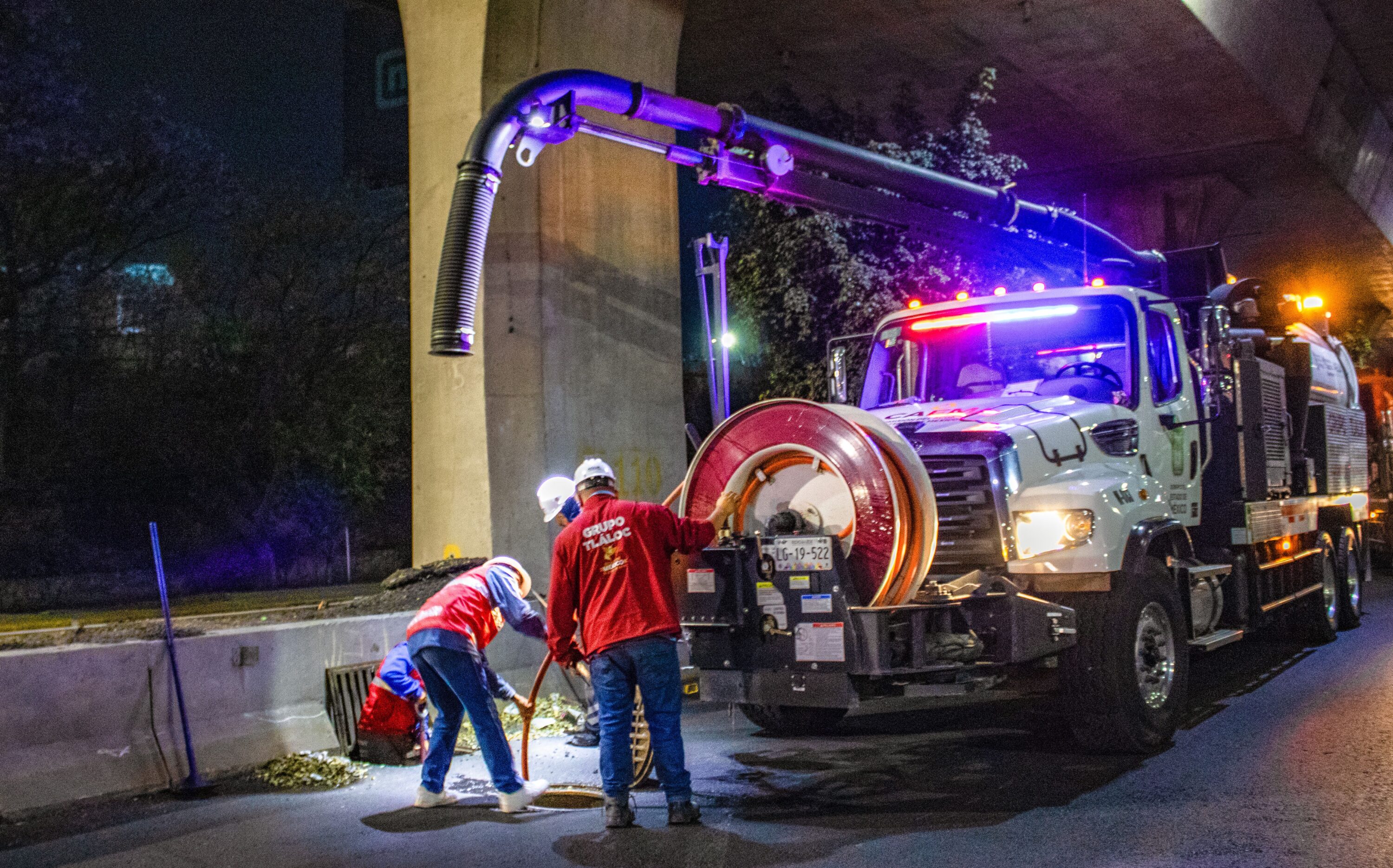
This is the largest subsector of public utilities employment by a significant margin. It encompasses everyone involved in generating electricity (at nuclear, natural gas, coal, hydroelectric, solar, and wind plants), transmitting it across high-voltage lines, and distributing it to homes and businesses.
The 14 largest US investor-owned utilities, based on their FY2024 10-K filings with the SEC, collectively employ over 230,000 people. Southern Company is the largest by headcount, with Georgia Power employing 6,800, Alabama Power 6,200, Southern Company Gas 4,900, and Southern Nuclear 3,700. Duke Energy, PG&E, and NextEra round out the top tier.
Jobs in this segment that don’t require a four-year degree:
- Electrical lineworker: 70,000–80,000 positions nationally; accessible through a 3–4 year IBEW apprenticeship with a high school diploma
- Power plant operator: 30,000–35,000 positions; requires on-the-job training and licensing but not a degree
- Substation technician and control room operator: similar pathways
Jobs in this segment requiring a degree:
- Electrical engineer: 25,000–30,000 positions; requires a bachelor’s in electrical engineering
- Power systems engineer, grid planning analyst: bachelor’s minimum, master’s preferred for senior roles
- Environmental compliance specialist: typically requires a bachelor’s in environmental science or engineering
Natural Gas Distribution
Natural gas distribution employs roughly 25,000–30,000 pipeline and distribution technicians directly, with additional roles in control room operations, engineering, and regulatory compliance. This segment is more geographically concentrated than electric utilities — Texas, Louisiana, Oklahoma, and the Appalachian region account for a disproportionate share of natural gas infrastructure employment.
Most field roles (pipeline inspection, gas distribution technician, meter service) require technical certification rather than a degree. Engineering and planning roles require a bachelor’s degree minimum.
The job security note: Natural gas distribution employment has been stable for several years, but the long-term picture is uncertain as building electrification policies expand. States like California and New York are phasing out new natural gas connections in buildings, which will affect distribution system staffing in those markets over the coming decade.
Water and Wastewater Treatment
Water utilities employ roughly 50,000–55,000 water and wastewater treatment operators across municipal systems, private utilities, and public-private partnerships. This segment has an unusual characteristic: it’s highly fragmented, with roughly 50,000 separate community water systems across the US, most of them small municipal operations.
The BLS projects a 7% decline in water and wastewater treatment operator employment through 2034 as smaller municipal systems consolidate and automation handles more routine monitoring. That’s a genuine headwind worth knowing about before targeting this specific role.
That said, civil engineers, environmental engineers, and water resource planners working on infrastructure upgrades and regulatory compliance are in stronger demand — particularly as aging water infrastructure (the “lead pipe replacement” programs, PFAS remediation) generates significant capital spending that needs qualified professionals to oversee it.
Entry without a degree: Water/wastewater operators require state certification — typically an associate degree or a certification program of several months — rather than a four-year degree.
Renewable Energy (Adjacent but Growing)
Renewable energy isn’t technically part of the traditional “public utilities” classification, but it increasingly is the public utilities sector in practice. Solar and wind energy employment specifically has been growing at 6–8% annually, contrasting sharply with the near-flat trajectory of traditional fossil fuel utility employment.
Wind turbine technician is one of the fastest-growing occupations in the entire BLS database, with median pay around $57,000 and accessible through a 2-year community college program. Solar installer positions have grown substantially in California, Texas, and Florida. These roles are blue-collar accessible without a four-year degree and represent the clearest growth opportunity within the broader utilities ecosystem right now.
Jobs by State: Where the Concentration Is
Based on state employment data from BLS and DataUSA, public utilities employment is heavily concentrated in the states with the largest populations and most extensive infrastructure:
| State | Approximate Utility Jobs | Primary Sectors |
|---|---|---|
| California | 80,000–85,000 | Electric power, renewables, water |
| Texas | 70,000–75,000 | Electric power, natural gas, renewables |
| New York | 60,000–65,000 | Electric power, water, gas distribution |
| Florida | 50,000–55,000 | Electric power, water, solar |
| Illinois | 45,000–50,000 | Electric power, natural gas, water |
| Pennsylvania | 40,000–45,000 | Electric power, natural gas |
| Ohio | 35,000–40,000 | Electric power, natural gas, water |
| Georgia | 30,000–35,000 | Electric power (Southern Company) |
| Michigan | 25,000–30,000 | Electric power, water/wastewater |
| North Carolina | 25,000–30,000 | Electric power (Duke Energy), renewables |
A few nuances the raw numbers don’t capture:
Texas is growing faster than New York. The ERCOT grid serves a deregulated electricity market that continues expanding, and Texas’s renewable energy build-out — wind in the Panhandle, solar across West Texas — is creating new jobs faster than anywhere except California.
Georgia’s count is concentrated at a few employers. Southern Company’s Alabama Power, Georgia Power, Southern Nuclear, and Southern Company Gas together account for a large share of that state’s utility employment. That concentration means job availability in Georgia is meaningfully shaped by Southern Company’s hiring cycles.
Rural states are not blank spots. North Dakota, Montana, Wyoming, and similar states have utility employment per capita that’s high relative to population, driven by fossil fuel extraction infrastructure and the transmission lines connecting remote generation to population centers. These markets often have lower competition for open roles.
Blue Collar vs. White Collar: The Real Split
This is the breakdown most articles on this keyword skip entirely, and it’s what people actually want to know.
Blue-Collar Roles (No Four-Year Degree Required)
These roles together represent roughly 55–60% of total public utilities employment — the majority of the sector by headcount.
| Role | Approx. US Jobs | Education Required |
|---|---|---|
| Electrical Lineworker | 70,000–80,000 | HS diploma + 3–4 yr apprenticeship |
| Power Plant Operator | 30,000–35,000 | HS diploma + on-the-job training + license |
| Water/Wastewater Operator | 50,000–55,000 | Associate degree or state certification |
| Gas Distribution Technician | 25,000–30,000 | HS diploma + technical training |
| Meter Reader / Field Tech | 40,000–45,000 | HS diploma (declining role) |
| Wind Turbine Technician | 12,000–15,000 | 2-year community college |
| Solar Installer | 15,000–20,000 | On-the-job training or short certification |
| SCADA Technician | 5,000–8,000 | Associate degree or technical cert |
The most important thing to know about the blue-collar path: the entry barrier is genuinely low — a high school diploma and the willingness to complete an apprenticeship — but the compensation is genuinely high. The average across all utility workers is $100,272/year, which is 43% above the national workforce average of $69,878. Electrician lineworkers specifically earn a median of $93,000, reachable through a 3–4 year union apprenticeship that pays you while you learn.
The declining role to note: meter readers. Smart meter rollouts have cut headcount in this role steadily for fifteen years and the BLS classifies it as a declining occupation. If you’re entering utilities now, this is not the path to build a career on.
White-Collar Roles (Four-Year Degree or Higher Required)
These represent roughly 40–45% of total public utilities employment — smaller by headcount but typically higher compensated per role.
| Role | Approx. US Jobs | Education Required |
|---|---|---|
| Electrical Engineer | 25,000–30,000 | BS Electrical Engineering |
| Mechanical Engineer | 20,000–25,000 | BS Mechanical Engineering |
| Civil Engineer | 15,000–20,000 | BS Civil Engineering |
| Energy Analyst / Planner | 10,000–15,000 | BS Economics, Engineering, or Business |
| Environmental Compliance Specialist | 8,000–10,000 | BS Environmental Science |
| HR / Finance / Admin | 60,000–70,000 | BS Business or related |
| Engineering Manager | 8,000–12,000 | BS Engineering + significant experience |
| Information Security Analyst | 5,000–8,000 | BS Computer Science or IS |
The fastest-growing white-collar role in utilities right now is information security analyst. Cyberattacks on critical infrastructure have made grid security a federal priority, and utilities are actively hiring to meet new regulatory requirements from NERC CIP and federal cybersecurity mandates. This role also has one of the clearest paths in for career changers from IT backgrounds who want the stability of the utilities sector without starting over in a technical field.
Growth Outlook: What’s Being Created and What’s Disappearing
Growing fast:
- Wind turbine technician: one of the fastest-growing occupations in the BLS OOH, projected 60%+ growth through 2034
- Solar installer: strong growth driven by federal incentive programs and state renewable mandates
- Industrial machinery mechanics (automated plant equipment): growing with plant modernization
- Cybersecurity / grid security roles: growing with regulatory pressure
- EV charging infrastructure technicians: emerging category with substantial projected growth
Flat or declining:
- Meter readers: declining as smart meters replace manual reading
- Water/wastewater operator (entry level): some consolidation pressure reducing headcount at small systems
- Coal plant operator: tied to plant retirements, declining steadily
- Traditional gas distribution technician: stable currently, faces longer-term pressure from building electrification policies
The big picture: total utility employment grew 2.7% year-over-year in 2025, which is modest growth. The composition of that growth is shifting from fossil fuel operations toward renewable generation, grid modernization, and cybersecurity. The sector overall is stable, but which specific roles you target within it matters more now than it would have a decade ago.
How to Find Jobs in Public Utilities Right Now?
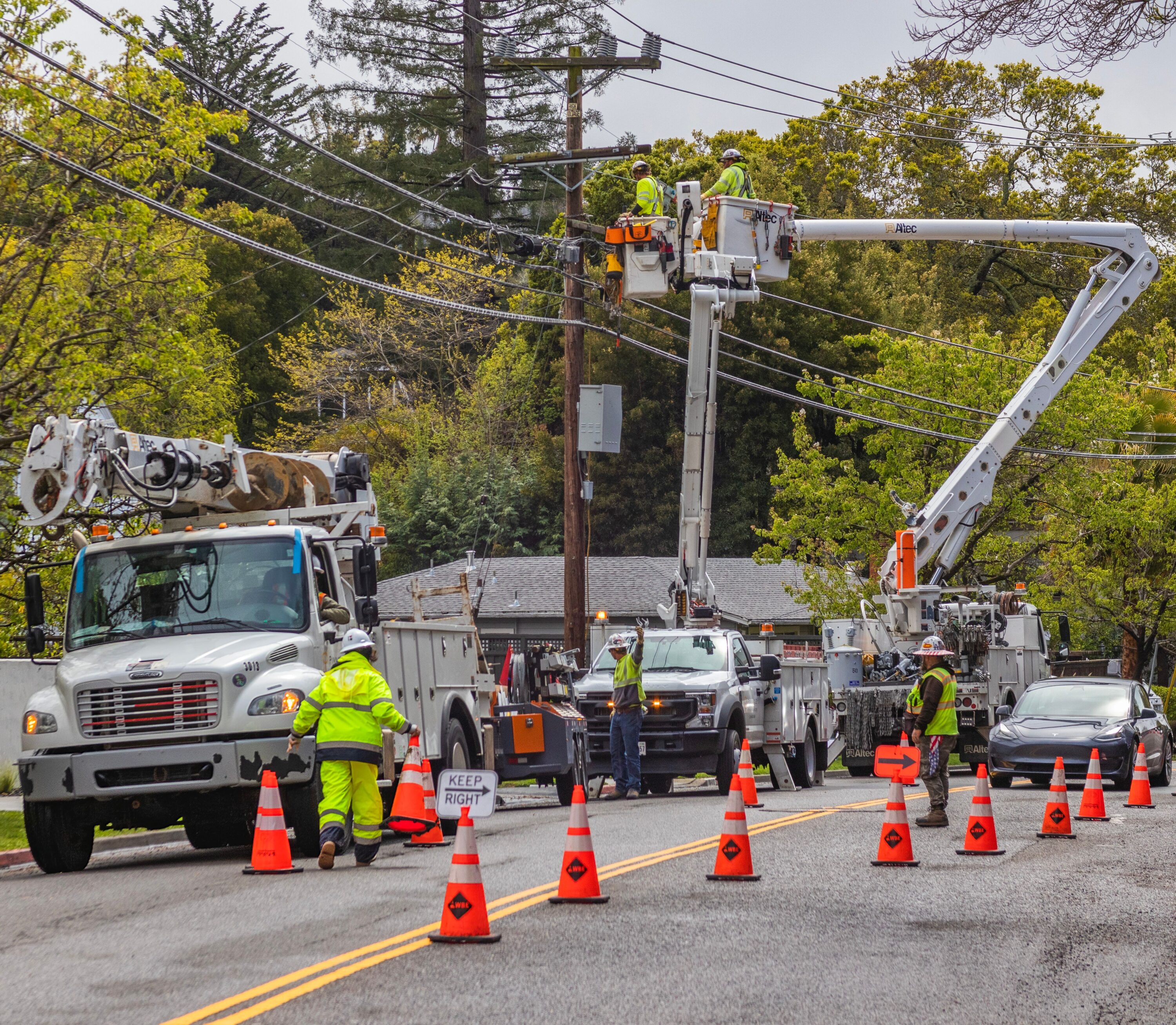
Major utility employers post directly on their corporate careers pages. For the largest employers by state: Duke Energy (Carolinas, Midwest, Florida), Southern Company (Georgia, Alabama, Mississippi), NextEra/FPL (Florida), Con Edison (New York), PG&E (California), Xcel Energy (Colorado, Minnesota, Texas).
IBEW union halls are the primary pipeline for apprenticeship programs into linework, substation work, and related electrical trades. The IBEW has apprenticeship programs in every state, and these are the most reliable path into the best-compensated blue-collar utility roles.
For renewable energy roles specifically, the American Clean Power Association and NABCEP (for solar credentials) are the most useful professional networks. Many solar and wind employers do not post on standard job boards, recruiting instead through trade associations and technical schools with established employer relationships.
Before applying anywhere, research the specific employer at WiseWorq — the utilities sector includes some of the best-run employers in the country and some with documented employee relations problems, and that difference matters a great deal in a sector where you’re likely to stay for years rather than months.
Related WiseWorq Guides
- What Do Public Utilities Jobs Pay? (2026 Guide) — salary data role by role, company by company, with Glassdoor employee voices
- What Do Energy Jobs Pay? (2026 Guide) — how utilities compare to oil, gas, and renewables
- Is Oil & Gas Production a Good Career Path? — the energy sector career analysis that covers the non-utility side
- How Many Jobs Are Available in Capital Goods? — adjacent manufacturing sector with overlapping skill sets
- 50 Unique Interview Questions to Ask an Employer (2026) — including questions to ask any utility employer about advancement and overtime expectations