Knowing how to accept a job offer properly is an important final step in the hiring process. Once you receive an offer, your response sets the tone for your professional relationship with your new employer.
While accepting a job offer may seem simple, doing it correctly ensures clarity around salary, start date, benefits, and expectations. A professional response also reinforces your reliability and communication skills.
According to LinkedIn Talent Solutions, clear and timely communication during the offer stage helps avoid misunderstandings and speeds up onboarding decisions.
If you’re still comparing opportunities, you may also find our guides on cover letter vs resume and how to follow up after an interview helpful for understanding the full hiring process.
What Happens Before You Accept a Job Offer?
Before officially accepting a job offer, most employers will send you a formal offer letter or email outlining the details of your employment.
This typically includes:
- Job title and responsibilities
- Salary or hourly wage
- Start date
- Benefits package
- Work schedule and location
- Reporting structure
In larger companies such as Amazon and Microsoft Careers, offer letters are often standardized and sent through recruitment systems.
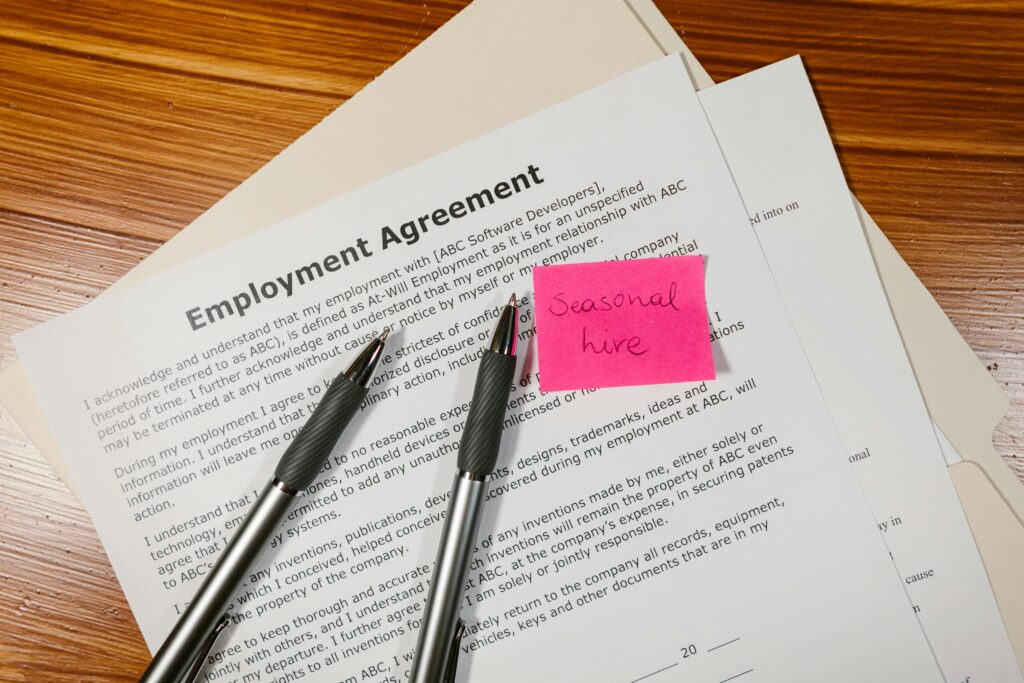
Step 1: Take Time to Review the Offer
Even if you are excited, avoid accepting immediately without reviewing the details carefully.
Take time to evaluate:
- Whether the salary meets your expectations
- Whether benefits align with your needs
- Whether the job responsibilities match your goals
- Whether the location or remote options work for you
Many candidates make the mistake of rushing this step, but once you accept an offer, it is often difficult to renegotiate key terms.
For workers exploring entry-level opportunities, our guide on jobs for 17 year olds can help you understand starting roles and expectations across industries.
Step 2: Compare With Other Offers (If Applicable)
If you are interviewing with multiple companies, compare offers before making a decision.
Key comparison factors include:
- Salary and bonuses
- Work-life balance
- Growth opportunities
- Company culture
- Job stability
According to Harvard Business Review, candidates who evaluate multiple factors — not just salary — tend to report higher long-term job satisfaction.
Step 3: Respond Professionally and Promptly
Once you decide to accept the offer, respond as soon as possible — ideally within 24–48 hours.
A professional acceptance email should be:
- Clear and direct
- Positive in tone
- Free of unnecessary detail
- Grateful and respectful
Delaying your response too long can create uncertainty for employers and may negatively impact their perception of your professionalism.
How Employers Expect You to Accept a Job Offer

Most employers expect a simple, formal acceptance — usually via email unless otherwise specified.
Your message should confirm:
- That you are accepting the offer
- Your understanding of key terms
- Your appreciation for the opportunity
In structured hiring environments at companies like Google Careers and Microsoft Careers, offer acceptance is often completed through official HR portals rather than informal communication.
Why the Offer Stage Matters in Your Career
The job offer stage is more than just the final step — it reflects how employers evaluate your communication and decision-making skills.
A well-handled acceptance process can:
- Build trust with your new employer
- Set a professional tone before onboarding
- Reduce misunderstandings about compensation or role expectations
- Improve long-term working relationships
If you want to better understand how employers evaluate candidates throughout the hiring journey, check our breakdown of
signs you will get the job after an interview.
Step 4: How to Write a Job Offer Acceptance Email
Your acceptance email should be short, clear, and professional. This is not the place for long explanations — your goal is simply to confirm the offer and show appreciation.
A strong acceptance email includes:
- Clear acceptance of the job offer
- Job title confirmation
- Start date acknowledgment
- Gratitude for the opportunity
Job Offer Acceptance Email Template
Subject: Job Offer Acceptance – [Your Name]

Dear [Hiring Manager’s Name],

Thank you for offering me the position of [Job Title] at [Company Name]. I am happy to formally accept the offer.

I appreciate the opportunity and look forward to joining the team on [Start Date]. Please let me know if there are any documents or steps required before my start date.

Thank you again for this opportunity.

Best regards,
[Your Name]
This format is widely used across industries and ensures clarity and professionalism in your response.
Step 5: Can You Negotiate Before Accepting?
Yes — in many cases, you can negotiate before formally accepting a job offer. This is common for salary, benefits, remote work options, or start dates.
However, negotiation should always be handled carefully and professionally.
According to Harvard Business Review, successful negotiations are based on timing, clarity, and respect rather than pressure or ultimatums.
What You Can Negotiate
- Salary or hourly wage
- Signing bonuses
- Remote or hybrid work options
- Start date flexibility
- Vacation or benefits packages
In competitive industries, especially at companies like Amazon Jobs, Google Careers, and Microsoft Careers, negotiation is common for mid-level and senior roles.
Common Mistakes When Accepting a Job Offer

Many candidates lose leverage or create confusion during the offer stage by making avoidable mistakes.
1. Accepting Without Reviewing Details
Never accept an offer without carefully reviewing salary, benefits, and job responsibilities.
2. Delaying Your Response Too Long
Waiting too long can signal disinterest or poor communication. Most employers expect a response within 1–3 days.
3. Over-Negotiating or Being Aggressive
Negotiation is normal, but being overly demanding can risk losing the offer entirely.
4. Accepting Verbal Offers Only
Always wait for a written offer before confirming acceptance. Verbal agreements are not formal employment contracts.
If you’re still comparing roles before making a decision, you may find our guide on cover letter vs resume useful for understanding how employers evaluate candidates before the offer stage.
When You Should Not Accept a Job Offer
Not every job offer should be accepted immediately — or at all.
You may want to reconsider if:
- The salary does not meet your financial needs
- The role responsibilities are unclear or different from expectations
- The company culture feels like a poor fit
- There is no room for growth or advancement
Accepting the wrong job can impact your long-term career satisfaction, so it is important to evaluate offers carefully before committing.
FAQs About Accepting a Job Offer
How long do I have to accept a job offer?
Most employers give between 2–7 days to respond, but timelines can vary depending on urgency and role level.
Can I accept a job offer and then decline later?
Yes, but it should be avoided unless absolutely necessary. Backing out after acceptance can damage your professional reputation.
Should I call or email to accept a job offer?
Email is the standard method unless the employer specifically requests a phone call or portal submission.
What happens after I accept a job offer?
After acceptance, you typically go through onboarding, paperwork, background checks, and orientation before starting.
You can also explore our guide on how to follow up after an interview to better understand what happens before the offer stage.
Key Takeaways
- Always review a job offer carefully before accepting
- Respond professionally within 24–48 hours
- Use a clear and concise acceptance email
- Negotiation is possible but should be handled carefully
- Never accept without a written offer
Knowing how to accept a job offer properly helps you start your new role on the right foot and builds a strong professional impression from day one.