My seat had a number.
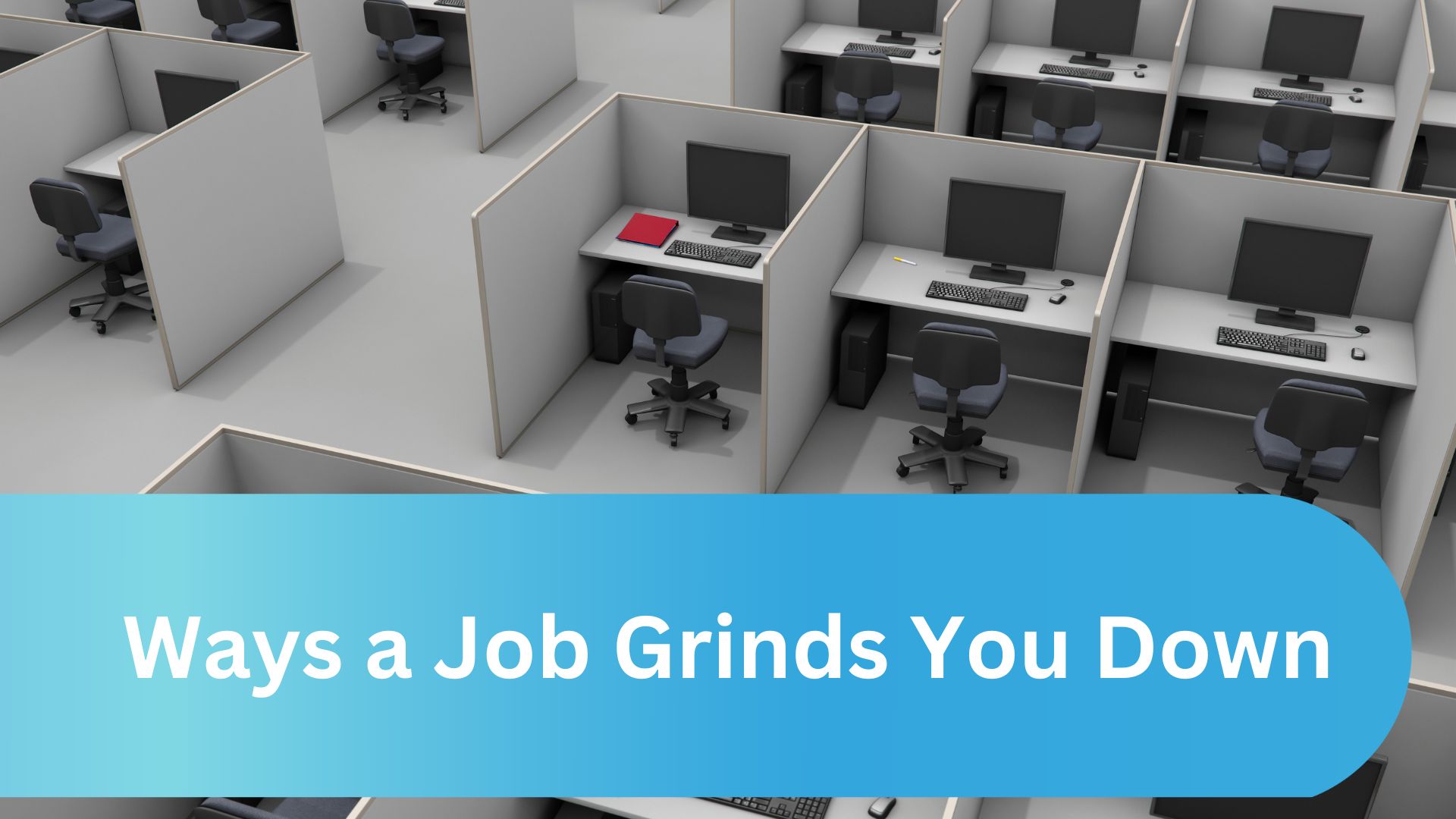
Not a name plate. Not a desk I could decorate. A number, assigned to a position in a grid, in an open-plan floor holding hundreds of people. If you needed to find me, you didn’t look for me — you looked for the number.
I worked at KPMG, one of the Big Four accounting firms. The floor was divided into what we called clusters: small groups of people handling the audits for a specific geography. Ours covered clients across the Nordic and Baltic regions, including Russia. Their submissions came to us. We compiled them, calculated them, and passed them up to the seniors. The seniors passed them to the managers. The managers approved them and passed them back down. We sent them to the client.
That was the job. Pivot tables, VLOOKUPs, and sums, on a monitor that had been outdated for years, in an office that felt less like a modern professional services firm and more like a 1920s industrial floor — rows and rows of people, each performing one small mechanical function in a process none of us saw the whole of.
A screw here. A drill there.
And the rule that captured everything: if you forgot to CC someone on an email, it was treated as a genuine incident. Not a minor slip — a hazard. The CC itself accomplished nothing. Nobody read those emails. But the process demanded it, and the process was the point.
If any of this sounds familiar, this article is for you. Not because I have a tidy answer, but because I got out, and I want to tell you exactly how.
First: You’re Not Weak, and You’re Not Alone
Before anything practical, it’s worth knowing the scale of what you’re feeling.
55% of the US workforce is currently burned out — a six-year high, according to Eagle Hill Consulting’s November 2025 survey. 72% report moderate-to-high stress at work, the highest reading Aflac has recorded in seven years. Gallup’s State of the Global Workplace found 67% of workers reporting burnout symptoms at their current job, up from 52% in 2021.
And the demographic detail that stopped me when I read it: Gen Z hits peak burnout at age 25 — about 17 years earlier than the average American, who peaks at 42.
People are also acting on it. Roughly 34% of workers have accepted lower-paying jobs to protect their mental health, and 22% have quit without another job lined up, per SHRM findings.
One more, and it’s the one that matters most for what follows: 44% of employees say their burnout is caused by “unfair treatment at work” — not workload. Not hours. Unfairness.
That distinction is the whole thing. Hard work doesn’t break people. Being treated as disposable does.
The Specific Ways a Job Grinds You Down
When the work itself is meaningless
I want to be precise here, because “boring job” undersells it. The problem wasn’t that the work was easy. The problem was that it was structurally impossible to care about.
I never saw a client. I never learned why any number mattered. I received data, transformed it, and passed it upward into a system that returned it to me approved. If I had done the job perfectly for a decade, nothing observable in the world would have been different.
What to actually do about this: Before you conclude you’re in the wrong career, test whether it’s the work or the distance from the outcome. The same accounting work, at a small firm where you know the client and see the impact, is a genuinely different job. A lot of people quit their field when what they actually needed to quit was the layer of abstraction between them and the result.
Ask yourself: if I could see the end of this process, would I care about it? If yes, you need a different employer. If no, you need a different field.
When you become a number
The seat numbers weren’t malice. They were efficiency. Someone had optimized floor logistics and this was the output.
But something happens to you when your identity at work is a coordinate. You stop bringing yourself to the job, because the job has made clear it doesn’t want you — it wants the function you perform. And once you’ve stopped bringing yourself, the hours get much longer.
What to actually do: Reclaim small territory. It sounds trivial and it isn’t. Learn the names of people outside your cluster. Have one conversation a day that isn’t about work. Put one object on your desk that’s yours. These are not solutions — they’re a way of keeping a version of yourself intact long enough to execute an exit plan.
When the “benefits” are an insult
This is the part I still find genuinely funny, in the way things are funny years later.
We were given free SIM cards. They could only call other people inside the company, for work purposes. A phone that only calls your colleagues is not a benefit — it’s a leash with a bow on it.
We were given laptops, and the firm was proud of this. They were aging Lenovos, encrypted and locked down so thoroughly you couldn’t do much beyond the approved workflow.
We were given free public transport tickets for the city, which was genuinely useful. And a 10% discount at nearby restaurants.
That was the package.
What to actually do: Learn to read a benefits package for what it costs the company versus what it’s worth to you. A SIM card locked to internal calls costs the firm nearly nothing and is worth nothing to you. Meaningful benefits cost the employer real money: retirement matching, health coverage with a low hours threshold, actual paid time off, tuition support.
When you’re interviewing your next employer, ask about the ones with real cost attached. The answer tells you how the company actually values people, separate from what it says in the recruiting deck.
When your time isn’t yours
We were timed. Not loosely — measured.
Long hours were normal, and they stretched into weekends. But the trick was in the accounting: linger too long, and those extra hours simply didn’t exist. No overtime pay. No time back. The hours were absorbed by the system and vanished.
This is the mechanism that turns a demanding job into an exploitative one. Demanding is fine when the exchange is fair. When your extra hours have no value assigned to them at all, you’re not being asked to work hard — you’re subsidizing the firm with your life.
What to actually do: Start documenting. Not to file anything — to see it clearly. Log your actual hours for two weeks, honestly, including the evening emails and the weekend catch-up. Most people who do this discover their real hourly rate is dramatically lower than they believed. That number becomes very motivating.
Also know your rights. Overtime law varies by country and by employment classification, and many salaried employees are misclassified as exempt when they aren’t. It’s worth ten minutes of research on your specific jurisdiction.
When everyone around you thinks it’s normal
This was the worst part, and it’s the reason I’m writing this.
My colleagues didn’t think any of it was strange. The numbered seats, the phantom overtime, the SIM card — this was simply what work was. Some had been there long enough that they’d forgotten there was an alternative. Some had never worked anywhere else and had nothing to compare it to.
Absolutely none of it was normal.
That’s the thing I most want anyone reading this to take away. A workplace’s internal consensus about what’s acceptable is not evidence. It’s just what the people who stayed have agreed to tolerate. The people who found it intolerable already left, which means the remaining consensus is systematically biased toward whatever the worst conditions were that people could survive.
What to actually do: Get an outside reference point, urgently. Talk to friends in other companies and other industries. Read employee reviews for competitors. Interview somewhere, even if you’re not sure you want the job — an interview is the fastest way to discover that other places do things completely differently.
You cannot calibrate what’s acceptable using only data from inside the building.
The physical space
Fluorescent light. No natural light worth mentioning. Rows of identical desks. The specific acoustic quality of hundreds of people typing.
I underestimated this for a long time. Environment is not a soft factor — it shapes your mood before you’ve done any work at all.
What to actually do: Control what you can. Noise-canceling headphones genuinely help. Go outside at lunch, even briefly, even in bad weather — daylight matters more than people think. If you can shift your hours to catch a quieter, brighter part of the day, do it.
None of this fixes a bad office. It buys you capacity to think about your exit.
Toxic bosses and HR that doesn’t help
Two things worth being clear-eyed about.
Your manager is the single biggest variable in your daily experience — more than the company, the salary, or the role. A good manager inside a mediocre company produces a better working life than a bad manager inside a great one.
And HR does not work for you. This isn’t cynicism, it’s structure: HR exists to manage organizational risk. Sometimes that aligns with your interests. Often it doesn’t. Bring HR documented, specific, policy-violating issues. Don’t bring them “I’m unhappy” and expect advocacy.
If your complaint would embarrass the company, HR’s institutional incentive is to contain it, not resolve it. Know that before you walk in.
The commute
An hour each way is 10 hours a week and roughly 480 hours a year — twelve full working weeks of your life, unpaid, spent in transit.
What to actually do: Before dismissing a lower-paying job closer to home, run the actual math including transport costs and time. Many people discover the “worse” offer is better on every real measure. If you can shift your hours to avoid peak crowding, that alone changes the day.
Before You Quit: Figure Out What’s Actually Broken

The single most useful thing I did was stop treating “I hate my job” as one problem.
Keep a journal for one week. Every day, note: what drained you, what didn’t, and any moment you felt genuinely fine. Be specific about the time of day and what you were doing.
At the end of the week, look for the shape of it:
- Unhappy only in certain meetings or around certain people? Your problem is a relationship or a team, not a career. Those are far more fixable than people assume.
- Unhappy the entire day, every day, regardless? Something structural is wrong.
- The tasks are fine but the environment is unbearable? Same job, different employer.
- Even the good days feel pointless? That’s a field or purpose problem, and it needs a bigger answer.
Then ask the burnout question honestly: am I in the wrong job, or am I exhausted? These feel identical from the inside and require completely different responses. If you’ve been running at full capacity for months without a real break, take actual time off before making a permanent decision. Burnout is extremely good at convincing you that your entire career is wrong when what you needed was two weeks.
How I Actually Got Out
This is the part I’d most want to hand to my past self.
I told nobody at work. Not one person.
Not my closest colleague. Not the manager I got along with. Nobody. Once your intention to leave is known, your position changes: you’re excluded from planning, passed over for anything long-term, and in some places, managed out on the company’s timeline rather than yours. There is no version of disclosing early that helps you.
I interviewed entirely outside working hours.
Early mornings, evenings, lunch breaks taken away from the building. When I needed a longer block, I used leave. I never took a call from the office and never used a company device for anything related to the search — that Lenovo was encrypted and monitored, and assuming otherwise would have been foolish.
I treated the search as a second job with a schedule.
This is what made it sustainable. Unstructured job hunting while exhausted produces nothing but guilt. I picked specific hours and protected them. Some weeks produced nothing. That was fine — the point was that it kept moving while I still had income.
I researched employers properly instead of applying anywhere.
The genuine risk when you’re desperate is jumping into an identical situation with a different logo. I read employee reviews. I looked for turnover patterns. I asked pointed questions in interviews about hours, overtime, and what happened to the person who held the role before me.
Our guides on warning signs of a bad company culture and unique interview questions to ask an employer cover exactly what to look for — most of which I learned the expensive way.
I built a financial cushion first.
Three to six months of expenses if you can manage it. This isn’t only about surviving a gap — it’s about being able to say no to a bad offer. Without savings, you’ll accept the first thing that appears, which is how people end up in a worse version of the job they escaped.
I quantified my work for my CV, even though it felt like there was nothing to quantify.
“Processed audit data” says nothing. “Handled audit compilation for X clients across the Nordic and Baltic regions” says something. Even inside a factory role, you have scope, volume, and reliability. Find the numbers.
I left cleanly.
Full notice. Proper handover. No speeches. The impulse to explain exactly what’s wrong on your way out is strong and almost never serves you — references and industry reputation outlast any satisfaction from the conversation. Save the honest version for people who can actually act on it, or for an article like this one.
When It’s More Than a Bad Job
There’s a line worth watching for.
If you’re not sleeping, if Sunday dread has become a physical symptom, if you’ve stopped being able to enjoy things outside work, or if you’re having thoughts about your own safety — that’s no longer a career problem to be solved with a job search. That needs actual support, and getting it isn’t an admission of failure.
Talk to a doctor. Talk to a therapist if you can access one. Many countries and employers offer free confidential counselling, though the uptake data is grim: 91% of employees say mental health benefits matter, but only one in five has ever used them.
If you’re in crisis in the US, call or text 988 for the Suicide & Crisis Lifeline. In the UK, Samaritans is 116 123. Most countries have an equivalent.
A job is not worth your health. It never was, and no employer has ever deserved that trade.
What I’d Tell You
The most damaging thing about a job like the one I had isn’t the hours or the pay or the numbered seat. It’s that it slowly convinces you this is simply what work is — and that wanting more is naive.
It isn’t. The people around you who’ve accepted it aren’t wiser than you; they’re just further into the same process.
You don’t have to storm out. You probably shouldn’t. But you should start moving — quietly, deliberately, on your own timeline — toward somewhere that treats you like a person rather than a position in a grid.
I did. It took months of interviewing in the dark hours around a job I couldn’t stand. It was worth every one of them.
Before you accept your next role, research the company at WiseWorq — where current and former employees describe the actual hours, management, and culture behind the recruiting pitch. It’s the research I wish I’d done before I took the job with the numbered seat.
Related WiseWorq Guides
- Signs of a Toxic Workplace — how to recognize what’s happening to you while it’s happening
- Warning Signs of a Bad Company Culture — spotting the next bad employer before you accept the offer
- How to Call Out of Work — taking the day you need without damaging your position
- 50 Unique Interview Questions to Ask an Employer — the questions that reveal what a company is really like
- Phone Interview Questions — handling the first screening call in your quiet job search
- Exit Interview Questions — leaving professionally when the time comes
- What Is Moonlighting? — building income on the side while you plan your exit